


Summary
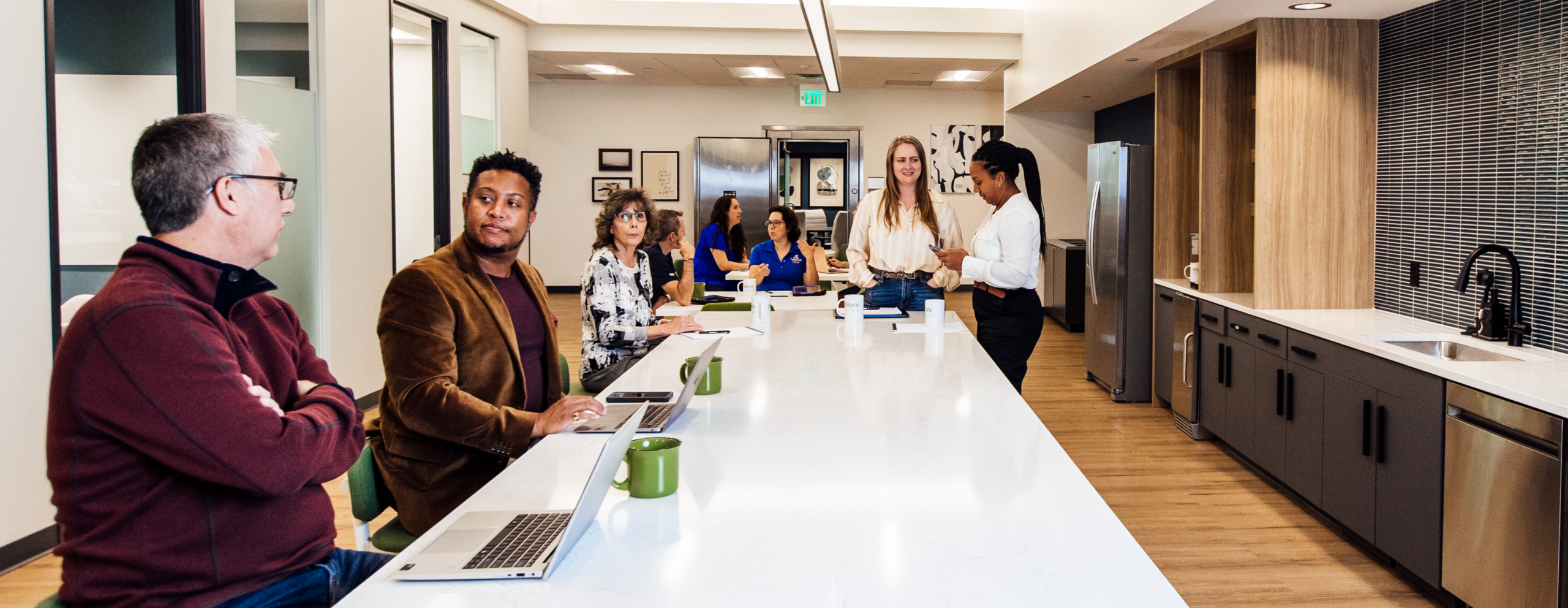
Flexible workspaces have become the default choice for a wide range of professionals, from freelancers and independent consultants to hybrid teams and small businesses. But not all flexible spaces are built with the same level of intention,
And not all professionals use flexible workspaces to their full potential.
The tips below apply to both: what a well-designed flexible office should offer, and how to get the most out of your workspace.
What Makes a Workspace Flexible?
The word “flexible” gets applied to a lot of different workspace arrangements, so it’s worth being clear about what it means in practice. A genuinely flexible workspace gives users control over three things:
- When they access the space
- What type of space they use
- How long they’re committed to it
On the access side, that means 24/7 availability, not just standard business hours. For the type of space, it means a range of options, from open coworking areas for collaborative or casual work to private offices and meeting rooms for focused, confidential tasks. In terms of commitments, it means month-to-month plans without long-term lease obligations.
When any one of these three elements is missing, the space is only partially flexible. A coworking environment with limited hours, for example, isn’t actually available when many professionals need it most. A space with no private options doesn’t serve someone who needs to take a confidential client call.
Key Insight
Design Principles Behind Effective Flexible Workspaces
Good flexible workspace design starts with zoning. The best spaces distinguish clearly between areas meant for focused individual work, areas designed for collaboration and conversation, and spaces for more formal meetings. When these zones blur together, everyone suffers: the person trying to concentrate is disrupted by the group brainstorming nearby, and the group feels like they’re imposing.
Acoustic design is a related and often underestimated factor. Open coworking areas can become unworkable when sound travels freely. Effective spaces use layout, materials, and room separations to manage noise, so that the energy of a shared environment doesn’t come at the cost of everyone’s concentration.
Ergonomics and lighting round out the fundamentals. Workspaces designed for long sessions need more than a flat surface and a chair. Adjustable seating, proper monitor height, and natural or well-diffused lighting all affect how long someone can work productively before fatigue sets in.
10 Tips for Getting More Out of a Flexible Workspace
- Match the space type to the task.
Use open coworking areas for tasks that don’t require deep concentration. Book a private room or office for focused work, sensitive calls, or anything that benefits from a closed door.
- Use the booking system in advance.
If your space offers bookable meeting rooms or private offices, plan ahead. Showing up and hoping a room is available can add friction to your day.
- Establish a consistent schedule.
One of the underrated advantages of a flexible workspace is that you can treat it like a real office. Arriving at a consistent time builds a routine that supports focus and output.
- Take advantage of the full amenity set.
High-speed Wi-Fi, printing, filtered water, coffee, ergonomic furniture: these are included because they support productive work. Know what’s available and use it.
- Use meeting rooms for client interactions, not your desk.
Even if a coworking plan doesn’t include private office access, an on-demand conference room gives you a professional, controlled setting for anything client-facing.
- Protect your focused work time.
Just because a coworking environment is shared doesn’t mean you have to be available for quick chats or impromptu meetings at all times. Treat your most important work blocks the same way you would in a private office, and be intentional about when you engage with others.
- Learn the noise patterns of the space.
Most coworking environments have quieter and busier periods. After a few visits, you’ll have a sense of when the space is at its best for focused work and when it’s better suited for lighter tasks or collaboration.
- Separate your workspace from your home workspace mentally.
The act of going somewhere to work, even if it’s a coworking environment rather than a dedicated private office, creates a mental boundary between work and personal time that home-based work erodes over time.
- Choose a location with workspace options that can grow with you.
A flexible coworking membership is a good starting point, but the best providers also offer private offices, 50-hour plans, and team office solutions under the same roof. That way, upgrading doesn’t mean finding a new location.
- Book a tour before committing.
Design, acoustics, location, and amenity quality vary significantly between flexible workspace providers. Visiting in person gives you a much more accurate sense of the space than photos or a floor plan.
How Workspace Design Affects Focus and Output
The research on workspace environment and cognitive performance is consistent: physical surroundings affect the quality and duration of focused work. Noise levels, lighting, temperature, and the degree of visual clutter all influence how easily the brain enters and maintains a focused state.
For flexible workspace users, this means the choice of space and how you use it has a measurable effect on what you produce. A well-designed coworking environment with clear zones, managed acoustics, and ergonomic setups creates conditions where focused work is easier to sustain. A poorly designed space, where noise is unmanaged and work areas are undefined, can make it difficult to sustain focus and productivity.
This is one of the main reasons workspace design matters beyond aesthetics. A space that looks good in photos but isn’t built for how people actually work will cost its users in productivity, often without them fully identifying why.
What to Look for in a Flexible Workspace in Denver
Denver’s flexible workspace market offers a wide range of options, which makes evaluation more important, not less. A few things worth looking at closely:
- Location and parking. A workspace that adds commute friction or requires paid parking undermines its value. Free parking and highway access are practical differentiators for professionals in the Denver metro area.
- Range of space types. Open coworking, private offices, meeting rooms, and team spaces should all be available at the same location. If your needs change, you shouldn’t have to change addresses or providers.
- Pricing transparency. Some providers advertise base rates and charge separately for amenities that should be standard. All-inclusive pricing with no hidden fees is the cleaner model.
- Access hours. 24/7 keyless access matters if your work doesn’t fit a standard 9-to-5 window. Confirm access terms before signing anything.
Work Simple’s Colorado locations in Westminster and Denver Tech Center are designed around these principles: transparent all-inclusive pricing, 24/7 access, free parking, and a full range of workspace options from coworking memberships to private and team offices.
Explore available spaces and find the right fit for how you work.
Frequently Asked Questions
What is a flexible workspace?
How is a flexible workspace different from a traditional office?
What should I look for when choosing a flexible workspace in Denver?
Can a flexible workspace work for a small team, not just individuals?
Does workspace design really affect productivity?


